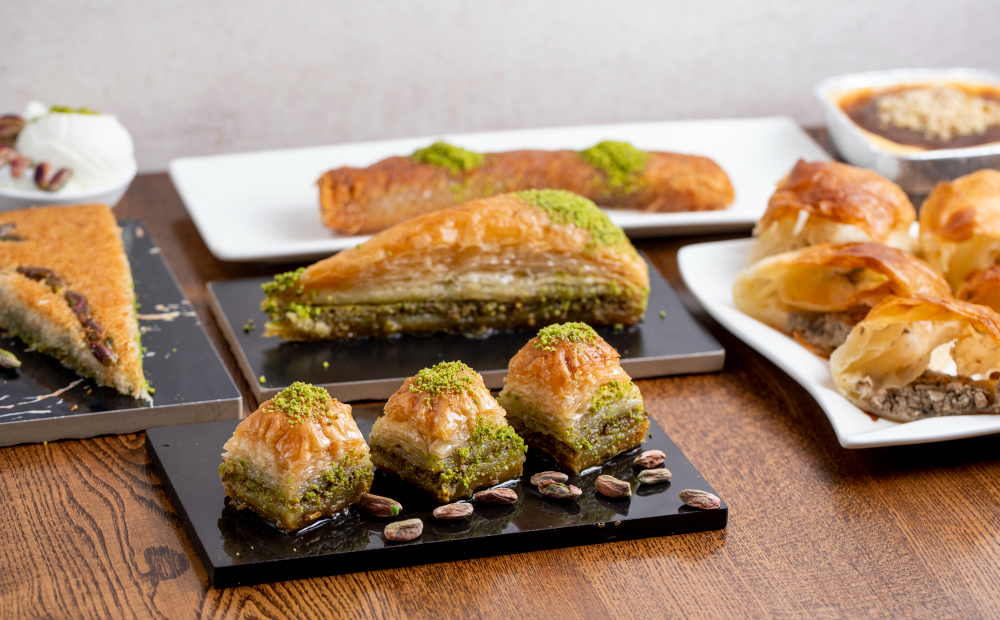
The Enduring Allure of Turkish Baklava: A Journey of Layers and Legacy
Turkish baklava, a name synonymous with exquisite sweetness and masterful pastry work, stands as a crowning jewel of Turkish culinary heritage. Far more than just a dessert, it's a testament to centuries of tradition, artistry, and a deep appreciation for flavour. This delectable treat, with its shimmering syrup, crunchy nuts, and countless delicate layers of pastry, has captivated palates across the globe. From its humble origins to its current status as an international delicacy, understanding what makes
turkish baklava so special involves delving into its meticulous creation, its diverse forms, and its profound cultural significance.
What Makes Authentic Turkish Baklava Unforgettable?
The magic of authentic
turkish baklava lies in its precision and the quality of its ingredients. It's a symphony of textures and tastes, each component playing a crucial role:
- Paper-Thin Phyllo Dough (Yufka): The foundation of baklava is its incredibly thin layers of dough. Traditionally, yufka is handmade, stretched until it's almost transparent, requiring immense skill and practice. While store-bought phyllo can be used, the truly authentic experience often comes from dough rolled to an almost ethereal thinness.
- Premium Nuts: The choice of nuts is paramount. Fıstıklı baklava (pistachio baklava), particularly from Gaziantep, is the most celebrated variety, featuring vibrant green Antep pistachios known for their rich flavour. Cevizli baklava (walnut baklava) is also popular, offering a more robust, earthy taste. The nuts are typically coarsely ground, providing a pleasant crunch without becoming powdery.
- Clarified Butter (Sade Yağ): This golden elixir is brushed generously between each layer of phyllo, giving baklava its distinct richness, flakiness, and beautiful golden-brown hue. Clarified butter, with its milk solids removed, prevents the pastry from becoming soggy and imparts a nuanced, nutty flavour that regular butter cannot match.
- Aromatic Syrup (Şerbet): The final touch is the simple syrup, usually made from sugar, water, and lemon juice. The lemon prevents crystallization and adds a subtle tang that balances the sweetness. The temperature of the syrup and the baked baklava when combined is crucial for optimal absorption – typically, hot baklava is drenched with cool syrup, or vice-versa, to ensure every layer is imbued with sweetness without becoming mushy.
The creation of baklava is a labour of love, often requiring hours of dedicated effort. The careful layering, precise cutting, and slow baking process all contribute to the masterpiece that emerges from the oven. For a deeper dive into the historical roots and core ingredients, you might find
turkish baklava - Article 1 an insightful read.
The Rich Tapestry: Exploring Varieties and Regional Specialties
While the classic pistachio baklava from Gaziantep often steals the spotlight, the world of
turkish baklava is incredibly diverse, boasting a fascinating array of shapes, fillings, and regional interpretations. This versatility showcases the creativity and culinary prowess embedded in Turkish culture.
Beyond the Square Cut: Popular Baklava Shapes and Styles
The traditional diamond or square cut is just one presentation of this beloved dessert. Baklava takes on many forms, each offering a slightly different textural experience:
- Dilber Dudağı (Lady's Lips): These crescent-shaped delights are often filled with walnuts and have a softer, slightly chewier texture.
- Bülbül Yuvası (Nightingale's Nest): Shaped like a bird's nest, these are typically filled with a generous amount of whole or chopped pistachios or walnuts in the centre, creating a visually appealing and deeply nutty treat.
- Sarı Burma (Wrapped Saffron/Yellow): A rolled baklava, where phyllo layers are rolled around a filling of nuts, often creating a more compact and intensely nutty experience.
- Havuç Dilimi (Carrot Slice): These are large, triangular slices, often thicker than traditional baklava, designed for those who want a more substantial piece.
- Kuru Baklava (Dry Baklava): This variety contains less syrup than regular baklava, making it less sweet and giving it a longer shelf life, ideal for gifting or travel.
Regional variations also abound. While Gaziantep holds the UNESCO Intangible Cultural Heritage status for its Baklava and is often considered the capital of baklava, other regions offer their unique spins. For instance, some areas might use different local nuts or vary the spice blend in the syrup. Each variant of
turkish baklava tells a story of its origin, reflecting the local ingredients and culinary traditions.
Serving and Savoring Turkish Baklava: Tips for an Exquisite Experience
Enjoying
turkish baklava is an experience that engages all the senses. To truly appreciate its intricate flavours and textures, there are a few tips that can elevate your indulgence.
Optimal Serving and Pairing Suggestions
*
Temperature is Key: Baklava is best enjoyed at room temperature or slightly warmed. When too cold, the butter can solidify, and the pastry can become stiff. A brief warm-up in a low oven (around 150°C/300°F for 5-10 minutes) can restore its crispness and aroma.
*
Classic Pairings: The traditional accompaniment to baklava is a strong, black Turkish tea (
çay) or a small cup of rich Turkish coffee (
kahve). The slight bitterness of the beverages perfectly cuts through the sweetness of the pastry, creating a balanced palate. Some also enjoy it with a glass of milk or a scoop of traditional Turkish ice cream (
Maraş dondurması or
kaymaklı dondurma), especially during warmer months.
*
Garnish with Pride: Often, baklava is garnished with a sprinkle of finely ground pistachios or walnuts, adding both visual appeal and an extra burst of nutty flavour.
Storage and Freshness
To maintain its quality,
turkish baklava should be stored in an airtight container at room temperature for up to 5-7 days. Refrigeration is generally not recommended as it can cause the phyllo to harden and the syrup to crystallize, affecting the texture. If you need to store it for longer, baklava freezes surprisingly well for up to a month. Thaw it at room temperature and refresh in a low oven if desired. For more advanced baking techniques or deeper cultural connections, you might want to explore
turkish baklava - Article 3.
Turkish Baklava: A Sweet Symbol of Celebration and Hospitality
Beyond its delicious taste,
turkish baklava carries immense cultural weight in Turkey. It is deeply intertwined with traditions, celebrations, and the very essence of Turkish hospitality.
Baklava in Turkish Culture and Festivals
Baklava is not just a dessert; it's a symbol. It represents:
*
Hospitality: Offering baklava to guests is a gesture of warmth and generosity, a way of sharing joy and prosperity.
*
Celebration: No major holiday or family gathering in Turkey feels complete without baklava. It is an indispensable treat during religious holidays like Eid al-Fitr (Ramazan Bayramı) and Eid al-Adha (Kurban Bayramı), weddings, engagements, and other significant life events. The painstaking effort involved in its preparation underscores the importance of the occasion.
*
Gifting: Boxes of baklava are common gifts when visiting friends or family, particularly if they are from a region renowned for their baklava, like Gaziantep.
*
Historical Significance: The history of baklava stretches back to the Ottoman Empire, where it was a prized delicacy in the imperial kitchens. The "Baklava Alayı" (Baklava Procession) was a fascinating tradition where Janissary soldiers were presented with trays of baklava from the Sultan during special occasions, highlighting its status even among the military.
The act of preparing or sharing
turkish baklava is often a communal one, bringing families and communities together. It's a culinary legacy passed down through generations, ensuring that the art and appreciation for this magnificent pastry continue to thrive.
Conclusion
From the meticulous art of its creation, with layers upon layers of delicate phyllo and rich nuts, to its diverse forms and profound cultural significance,
turkish baklava is truly a culinary marvel. It's a dessert that transcends mere sweetness, offering a taste of history, tradition, and unparalleled craftsmanship. Whether you savour a classic pistachio diamond, a unique Nightingale's Nest, or a robust walnut swirl, each bite is an invitation to explore the rich tapestry of Turkish gastronomy. So next time you encounter this golden, syrup-drenched delight, take a moment to appreciate the journey of flavours and the enduring legacy packed into every exquisite piece.